Water Damage Restoration Service in Idaho: What It Covers and How to Choose One
A water damage restoration service in Idaho does four things in order: find all the water, get it out and dry the structure, clean and sanitize what stayed wet, and put the scope in writing. The first day matters more than any other part of the job — water left standing degrades, soaks deeper, and starts growing mold within 24 to 48 hours.
- Four steps in order: find it, extract it, dry it, scope it
- Clean water degrades into a dirtier category after 48 hours standing
- Idaho requires contractor registration, not a license
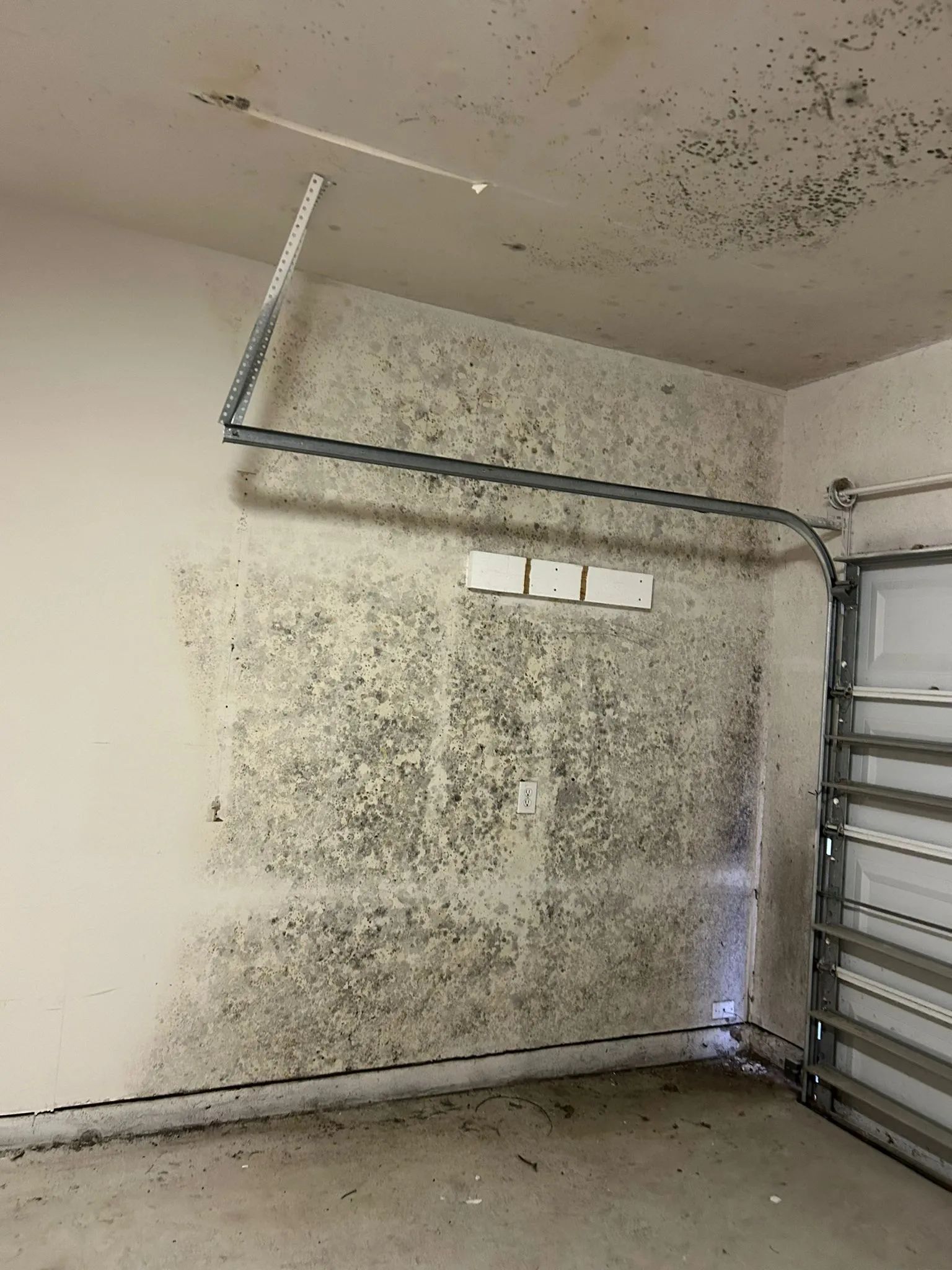
The short answer
A water damage restoration service in Idaho does four things in order: find all the water, not just the puddle you can see; get it out and dry the structure; clean and sanitize what stayed wet; and tell you, in writing, what has to come out and what has to be rebuilt. The drying part and the rebuilding part are usually two separate scopes with two separate prices, and a quote that does not say which one it covers is not a complete quote.
The first day matters more than any other part of the job. Water left standing degrades into a dirtier category, soaks deeper into framing and subfloor, and starts growing mold within 24 to 48 hours. That is why the first call is about stopping the water and getting the drying started, not about getting a final price — the final scope cannot be known until the moisture has been measured inside the walls and floors.
If the water is still coming in, or the wet area is bigger than a small patch, call (321) 985-3339 and describe where the water came from and how big the wet area looks. An honest answer starts with what needs to be looked at, not with a price.
Water still coming in? Stop the water first, then get the drying started — the first day decides most of the damage, and the final scope cannot be known until the moisture is measured.
What the service actually includes
Restoration is a sequence, and each step exists because skipping it costs more later. Use this as the checklist when you talk to any company — every item below should be named in the written scope, or named as excluded.
| Step | What it means | Why it matters |
|---|---|---|
| Moisture inspection | Meters on walls, floors, and inside cavities to map how far the water spread | The visible puddle is rarely the full area; water runs down and sideways |
| Water extraction | Pumps and vacuums remove standing water | Standing water soaks deeper every hour it sits |
| Drying | Air movers and dehumidifiers run until moisture readings are back to dry | Framing closed up damp grows mold again |
| Cleaning and sanitizing | Hard surfaces cleaned; contaminated material treated or removed | Gray and black water leave contamination that drying alone does not fix |
| Mold check | A look for growth that started while the material was wet | Mold can start within 24 to 48 hours; if it has, remediation is a separate scope |
| Written scope | What comes out, what gets dried, what gets rebuilt — in writing | The scope is what an adjuster approves and what the insurer pays against |
Two separations to understand before you compare any two companies. First, mitigation and rebuild are two different bills: mitigation is the emergency response — extraction, drying, cleaning — and rebuild is putting the house back — drywall, flooring, trim, paint. Second, the plumber and the restorer are two different jobs: the plumber fixes the leak itself, the restoration company handles the wet material. A company should say plainly which of the two it is quoting for.
The three water categories
Restorers sort water into three categories, and the category is the single biggest driver of what the job costs and how much protection it needs. The categories come from the ANSI/IICRC S500 standard, and they turn on where the water came from, not what it looks like.
| Water category | What it is |
|---|---|
| Category 1 — clean water | Burst supply pipe, overflowing sink, rainwater that has not touched anything contaminated |
| Category 2 — gray water | Dishwasher or washing machine discharge, toilet overflow with no solids, failed water heater |
| Category 3 — black water | Sewage backup, rising floodwater, or any water that has sat long enough to grow biological contamination |
One warning that changes the category, and the price, fast: clean water does not stay clean. Water left standing for 48 hours or more degrades into a higher category, which means more material gets thrown out and the work costs more. That is why the first day matters more than any other part of the job.
What it typically costs
There is no published price list for water damage restoration in Idaho, and any company quoting one is inventing it. The national published figures are the honest reference point: most professional water damage restoration jobs in the United States cost between $1,383 and $6,369, with a national average around $3,868, and contractors usually price the drying and cleanup work at $3.50 to $7.50 per square foot of affected area, depending on how dirty the water is (HomeAdvisor, June 2026).
The full breakdown — the rate by category, the cost by job size, and what pushes the price up or down — is in the companion guide: How Much Does Water Damage Restoration Typically Cost?. Read that before you compare quotes, so you know which phase each quote covers. And if mold has already started, that is a separate scope on top of the drying: the national published figures for mold remediation put most professional jobs between $1,200 and $3,750, averaging around $2,300.
The Idaho check: registration, not a license
Idaho is unusual here, and the difference matters when you are choosing a company. Idaho does not issue a traditional general contractor license. Under the Idaho Contractor Registration Act, a contractor doing a construction job over $2,000 in labor and materials must REGISTER with the Idaho Contractors Board, inside the Division of Occupational and Professional Licenses (DOPL), before the work starts. There is no competency exam and no experience requirement for that registration — it is an administrative step, not a test of skill.
What registration does prove is narrower, and worth knowing exactly: the contractor carries at least $300,000 in general liability insurance, and has workers’ compensation coverage if it has employees. The skilled trades are different — electricians, plumbers, and HVAC installers hold their own separate Idaho licenses, with real exams, on top of registration. (Idaho DOPL, contractor FAQ)
So when you hire a restoration company in Idaho, the check is two questions, not one. First: are you registered with DOPL for this job, and can I see the registration number? Second: what proves you can do this work well — because the registration alone does not answer that. The answer to the second question is the written scope, the moisture readings, and the references in the next section, not the registration certificate.
How to choose a company in Idaho
Five questions separate a straight answer from a sales pitch.
1. What is included, in writing? Extraction, drying, cleaning, the mold check, and the clearance reading should each be named. Leak repair and rebuild are usually separate lines — that is normal, as long as it is stated.
2. How do you find the full extent? The answer should involve moisture readings and opening up wet material, not just looking at the puddle. “We will see once we start” without a plan for measuring is a warning sign.
3. What category is this water, and what could change the price? A good company names the category up front and says plainly that the number can move if the affected area turns out bigger once drywall comes out — and says it will tell you before the number moves, not after.
4. What stays, and what goes? The company should be able to explain, in plain terms, which materials come out and which get cleaned and kept — and why. Porous materials like drywall, carpet pad, and insulation usually come out once they are contaminated; hard surfaces like tile and concrete usually get cleaned and dried.
5. Will you help with the insurance paperwork? The company should be able to give you a written scope, moisture readings, and photos the adjuster can work from. Whether the damage is covered at all — sudden burst pipe versus slow leak, flood water versus a backup — is a separate question, answered in the companion guide: Does Homeowners Insurance Cover Mold in Idaho?. And the filing steps themselves, after you report the claim, are in How to File a Water Damage Insurance Claim in Idaho.
Red flags: a price given sight unseen over the phone, a quote far below every other one with no explanation of what it leaves out, pressure to sign on the spot, and any promise about how fast the job will finish before anyone has measured the moisture.
When this is not a DIY job
A small, clean-water spill on a hard floor — a tipped bucket, a sink that overflowed once — is a homeowner job: get the water up, dry the floor, watch it. Everything else leans professional, and three situations always do: sewage or flood water, water inside walls or under floors where you cannot measure it, and any job where mold has already started. The EPA’s own line for mold is the one to use: if the moldy area is less than about 10 square feet, in most cases you can handle it yourself — and a leak inside a wall usually fails that test, because the growth is hidden and the moisture cannot be measured from the surface (EPA, Mold Cleanup in Your Home). The full version of that decision is in DIY vs Professional Mold Removal.
Where we work in Idaho
This is a statewide guide, but the work itself is local — the Treasure Valley cities each have their own page, because a burst pipe in a Meridian subdivision and a flooded basement in Eagle are not the same drive, the same housing stock, or the same job.
- Water damage restoration in Boise
- Water damage restoration in Meridian
- Water damage restoration in Nampa
- Water damage restoration in Eagle
- Water damage restoration in Caldwell
- Water damage restoration in Kuna
The main service page is Water Damage Restoration. If the water was sewage, start with Sewage Backup Cleanup instead — black water is a different job with different protection and disposal rules.
Conclusion
A water damage restoration service in Idaho is a sequence, not a single visit: measure the moisture, extract the water, dry until the readings say dry, clean what stayed wet, and put the scope in writing before anyone talks about rebuilding. The category of the water decides most of the cost, the first day decides most of the damage, and the Idaho check is registration plus insurance — not a license, and not a proof of skill. Judge the company on the written scope and the moisture readings, compare quotes on the same scope, and keep the photos and the invoices from the first hour: they are the record the claim runs on.
If the water is still coming in, or the wet area is bigger than a small patch, call (321) 985-3339 and describe where the water came from and how big the wet area looks. An honest answer starts with what needs to be looked at, not with a price.
Common questions
What does a water damage restoration service include?
Moisture inspection to map the full extent, water extraction, drying with air movers and dehumidifiers until readings are back to dry, cleaning and sanitizing what stayed wet, a mold check, and a written scope of what comes out and what gets rebuilt. Leak repair and rebuild are usually separate from the drying scope.
How much does water damage restoration cost in Idaho?
There is no published Idaho-only price list. National published figures put most professional jobs between $1,383 and $6,369, averaging around $3,868, at $3.50 to $7.50 per square foot for the drying and cleanup work (HomeAdvisor, June 2026). The full breakdown by category and job size is in the cost guide linked above.
Is a water damage restoration company licensed in Idaho?
Idaho does not license general contractors — it registers them. A contractor doing a job over $2,000 must register with the Idaho Contractors Board (DOPL) and carry at least $300,000 in general liability insurance. There is no exam. Ask for the registration number, and judge the work on the written scope and moisture readings, not the certificate alone.
How fast does mold grow after water damage?
Mold can start growing within 24 to 48 hours on wet materials. That is why the first day matters: water left standing degrades into a dirtier category and soaks deeper, and mold that has started is a separate remediation scope on top of the drying.
What is the difference between mitigation and rebuild?
Mitigation is the emergency response — extraction, drying, cleaning, and monitoring until the structure is dry. Rebuild is putting the house back — drywall, flooring, trim, paint. They are priced separately, so check which phase each quote covers before comparing numbers.
Does insurance cover water damage restoration in Idaho?
It depends on what caused the water, not on the damage itself. Sudden, accidental water damage is often covered; a slow leak that ran for weeks, neglect, and flood water usually are not. See the full Idaho insurance guide, and keep your photos and receipts — they are the evidence the claim runs on.