How Much Does Water Damage Restoration Typically Cost?
Most professional water damage restoration jobs in the United States cost between $1,383 and $6,369, with a national average around $3,868 — at $3.50 to $7.50 per square foot, depending on how dirty the water is. Those are national published figures, not a quote for your house.
- National figures, not a Boise quote
- $3.50–$7.50 per sq ft by water category
- The first day matters more than the rest
The short answer
Most professional water damage restoration jobs in the United States cost between $1,383 and $6,369, with a national average around $3,868. Contractors usually price the drying and cleanup work at $3.50 to $7.50 per square foot of affected area, depending on how dirty the water is.
Those are national published figures (HomeAdvisor, June 2026), not a quote for your house and not a Boise-only price. Your final cost comes down to three things: what kind of water it is, how much area got wet, and how much material has to come out and be rebuilt. A burst supply line in one bathroom and a sewage backup through a finished basement are not the same project, and they should not be priced like one.
Not sure which range fits your house? Call (321) 985-3339 and tell us what happened, where the water is, and roughly how big the wet area is. We will tell you honestly whether it sounds like a small drying job or one that needs a full assessment.
Not sure which range fits your house? Tell us what happened, where the water is, and roughly how big the wet area is — we will tell you honestly whether it sounds like a small drying job or one that needs a full assessment.
Cost by water category
Restorers sort water into three categories, and the category is the single biggest driver of price. The dirtier the water, the more protection, demolition, and disinfection the job needs.
| Water category | What it is | Typical rate |
|---|---|---|
| Category 1 — clean water | Burst supply pipe, overflowing sink, rainwater that has not touched anything contaminated | $3.50 per sq ft |
| Category 2 — gray water | Dishwasher or washing machine discharge, toilet overflow with no solids, failed water heater | $5.25 per sq ft |
| Category 3 — black water | Sewage backup, rising floodwater, or any water that has sat long enough to grow biological contamination | $7.50 per sq ft |
These are the per-square-foot averages from HomeAdvisor's June 2026 data, and the ranges behind them run about $3 to $4 for clean water, $4 to $6.50 for gray water, and $7 to $7.50 for black water. The categories come from the ANSI/IICRC S500 standard, and they turn on where the water came from, not what it looks like.
One warning that changes the category, and the price, fast: clean water does not stay clean. Water left standing for 48 hours or more degrades into a higher category, which means more material gets thrown out and the bill goes up. That is why the first day matters more than any other part of the job.
Cost by job size
The per-square-foot rate is most useful once you know the wet area. This is simple multiplication from the published rates, and it covers extraction, drying, and cleaning only — not rebuilding.
| Affected area | Clean water (Category 1) | Gray water (Category 2) | Black water (Category 3) |
|---|---|---|---|
| 50 square feet | $175 to $200 | $200 to $325 | $350 to $375 |
| 100 square feet | $300 to $400 | $400 to $650 | $700 to $750 |
| 500 square feet | $1,500 to $2,000 | $2,000 to $3,250 | $3,500 to $3,750 |
| 1,000 square feet | $3,000 to $4,000 | $4,000 to $6,500 | $7,000 to $7,500 |
Small jobs often cost more per square foot than large ones, because most contractors apply a minimum job charge no matter how small the area is. And the national average of about $3,868 sits where it does because most real jobs are not one clean room — they mix categories, hidden wet spots behind walls, and at least some material that has to come out.
Mitigation and rebuild are two different bills
The most common surprise in a water damage quote is that it covers only half the job. Restoration has two phases, and they are priced separately:
- Mitigation is the emergency response: water extraction, dehumidifiers and air movers, antimicrobial treatment, and moisture monitoring until the structure is dry. This is the $3.50 to $7.50 per square foot work.
- Rebuild is putting the house back: replacing drywall, flooring, trim, paint, insulation, and anything else that could not be saved. HomeAdvisor lists drywall repair or replacement at about $1.50 to $3 per square foot and a damaged ceiling at about $450 to $1,600.
When you compare two quotes, check which phase each one covers. One quote might be mitigation only, another might include partial rebuild, and a third might cover the full job. A lower number is not a better deal if it stops at dry framing and leaves you to find a contractor for the rest. See what the mitigation phase covers on our water damage restoration page.
What pushes the price up or down
| Factor | How it moves the price |
|---|---|
| Water category | The biggest driver. Black water roughly doubles the per-square-foot rate of clean water, because of protective equipment, controlled demolition, and contaminated-waste disposal. |
| Size of the wet area | More area means more extraction, more drying equipment, and more monitoring visits. |
| How long the water sat | Water that sat for days soaks deeper, degrades into a higher category, and grows mold — all of which add scope. |
| What got wet | Porous materials (drywall, carpet pad, insulation) usually come out. Hard surfaces (tile, concrete) usually get cleaned and dried. |
| Hidden water | Water behind walls, under floors, or in wall cavities costs more, because finding it and drying it takes meters, monitoring, and sometimes opening the wall. |
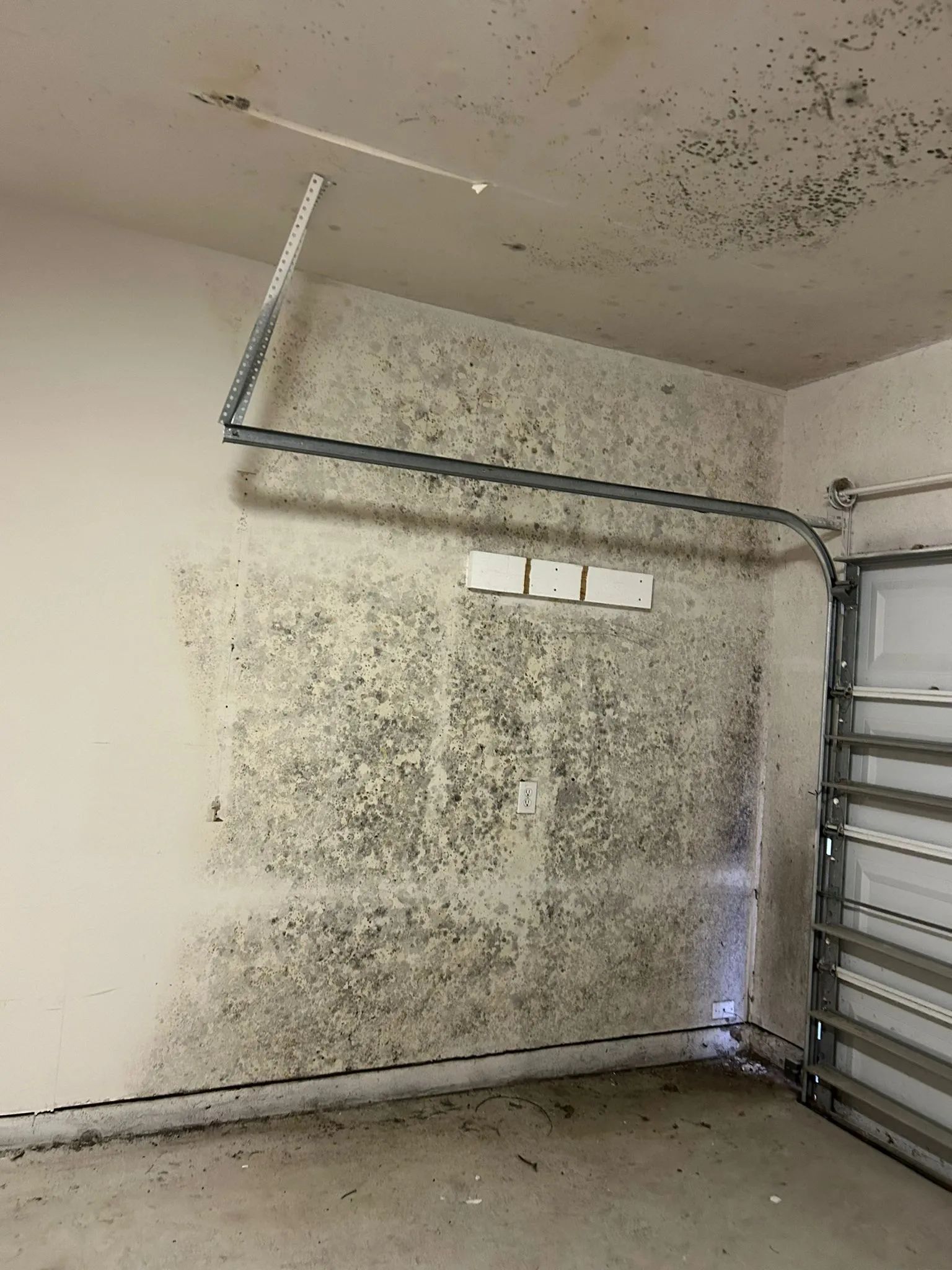
| Mold that already started | Mold can start growing within 24 to 48 hours on wet materials, according to the EPA ("A Brief Guide to Mold, Moisture and Your Home"). If it has, mold remediation is a separate scope on top of the drying — our own guide puts a typical mold remediation job at $1,200 to $3,750. |
| Access and equipment time | Basements, crawl spaces, and multi-story drying take longer and need more equipment days than one open room. |
What is usually not in the restoration quote
A restoration quote typically stops at clean, dry, verified framing. These items are often separate, so ask about each one before you agree to anything:
- Rebuild: replacing drywall, flooring, carpet, and trim after the structure is dry. This is the biggest separate line on most jobs.
- Mold remediation: if mold has already started, it is priced as its own job. See our mold remediation cost guide for the national ranges.
- Plumbing or leak repair: fixing the source of the water — the burst pipe, the failed water heater, the broken supply line.
- Contents cleaning: furniture, clothing, and stored items that got wet.
- Testing and clearance: moisture verification after drying, and mold testing if contamination is suspected.
How long does it take?
Price and time move together, because drying equipment is usually charged by the day. HomeAdvisor's national guide says water extraction takes at least three days, a water-damaged home can take around five days to dry, and full restoration can take weeks or even months once rebuilding starts.
That timeline is why a fast start saves money twice: less water soaks in, and less material has to be replaced. A job that starts the same day is usually a drying job. A job that starts a week later is often a drying job plus a demolition job plus a mold job.
What about insurance?
Most homeowners policies cover sudden, accidental water damage — a burst pipe, an appliance failure — but the details are in your policy, and floodwater from outside the home is usually a separate matter. This post does not make any coverage claim for your policy. Photograph everything before anything is moved, keep receipts for every emergency expense, and get the scope in writing before work starts. Our full insurance guide, including who pays for mold remediation in Idaho, is scheduled for November 16.
How to compare quotes without getting burned
Before you sign anything, get these five things in writing:
- The water category, in writing. It drives the rate, so it should be named, not implied.
- A written scope. Extraction, drying, antimicrobial treatment, what comes out, what stays, and what the rebuild covers.
- Moisture verification. Drying is not done when the floor feels dry. Ask how they verify the structure is dry — meter readings, not a guess.
- The mold plan. If anything stayed wet more than 48 hours, ask what happens if mold shows up during drying.
- One quote, one scope. Compare quotes line by line. If one is much cheaper, find the line it is missing before you celebrate.
Our commercial guide covers the same vetting questions for businesses — see how to choose a commercial water damage restoration company in Boise.
Conclusion
Water damage restoration typically costs $1,383 to $6,369 nationally, averaging about $3,868, at $3.50 to $7.50 per square foot depending on the water category. Those are published national figures, not a quote — your job depends on the category, the wet area, and how long the water sat. The cheapest job is almost always the one that starts fastest, before clean water degrades, materials soak through, and mold gets its 24-to-48-hour head start. Get the category and the scope in writing, check whether the quote covers rebuild or stops at dry framing, and photograph everything before the cleanup starts.
If water is standing in your home now, call (321) 985-3339. Tell us what happened and where the water is, and we will tell you honestly what the next step looks like.
Common questions
How much does water damage restoration cost per square foot?
Typically $3.50 to $7.50 per square foot for extraction and drying, depending on the water category: about $3.50 for clean water, $5.25 for gray water, and $7.50 for black water, per HomeAdvisor's June 2026 data. Rebuilding — drywall, flooring, trim — is priced on top.
What is the average water damage restoration cost?
About $3,868 nationally, with most homeowners paying between $1,383 and $6,369, according to HomeAdvisor's June 2026 data. The average covers a mix of categories, sizes, and rebuild scopes, so an individual job can sit well outside it.
Does black water really cost twice as much as clean water?
Roughly, yes. Black water runs about $7 to $7.50 per square foot against $3 to $4 for clean water, because it needs protective equipment, controlled demolition, antimicrobial treatment, and contaminated-waste disposal — and more material has to be thrown out rather than dried.
How long does water damage restoration take?
Extraction takes at least three days, a home can take around five days to dry, and full restoration with rebuilding can take weeks or months, per HomeAdvisor's national guide. Drying time drives the equipment bill, which is one more reason a fast start matters.
Will my insurance pay for water damage restoration?
It depends on your policy and the cause. Sudden, accidental damage is commonly covered; floodwater from outside the home usually is not. This post makes no coverage claim for your policy — check it, document everything, and keep every receipt. Our Idaho insurance guide is scheduled for November 16.
How fast does mold grow after water damage?
Mold can start growing within 24 to 48 hours on wet materials, according to the EPA ("A Brief Guide to Mold, Moisture and Your Home"). That is why water left standing degrades into a higher category and why a drying job that starts late often becomes a mold job too.