How Long Does Mold Remediation Take?
Most homes: 1 to 5 days of active remediation work. The full calendar time is usually longer, because drying, clearance testing, and rebuild sit outside the active work.
- 1 to 5 days active work
- 24 to 72 hours drying
- 24 to 48 hours lab clearance
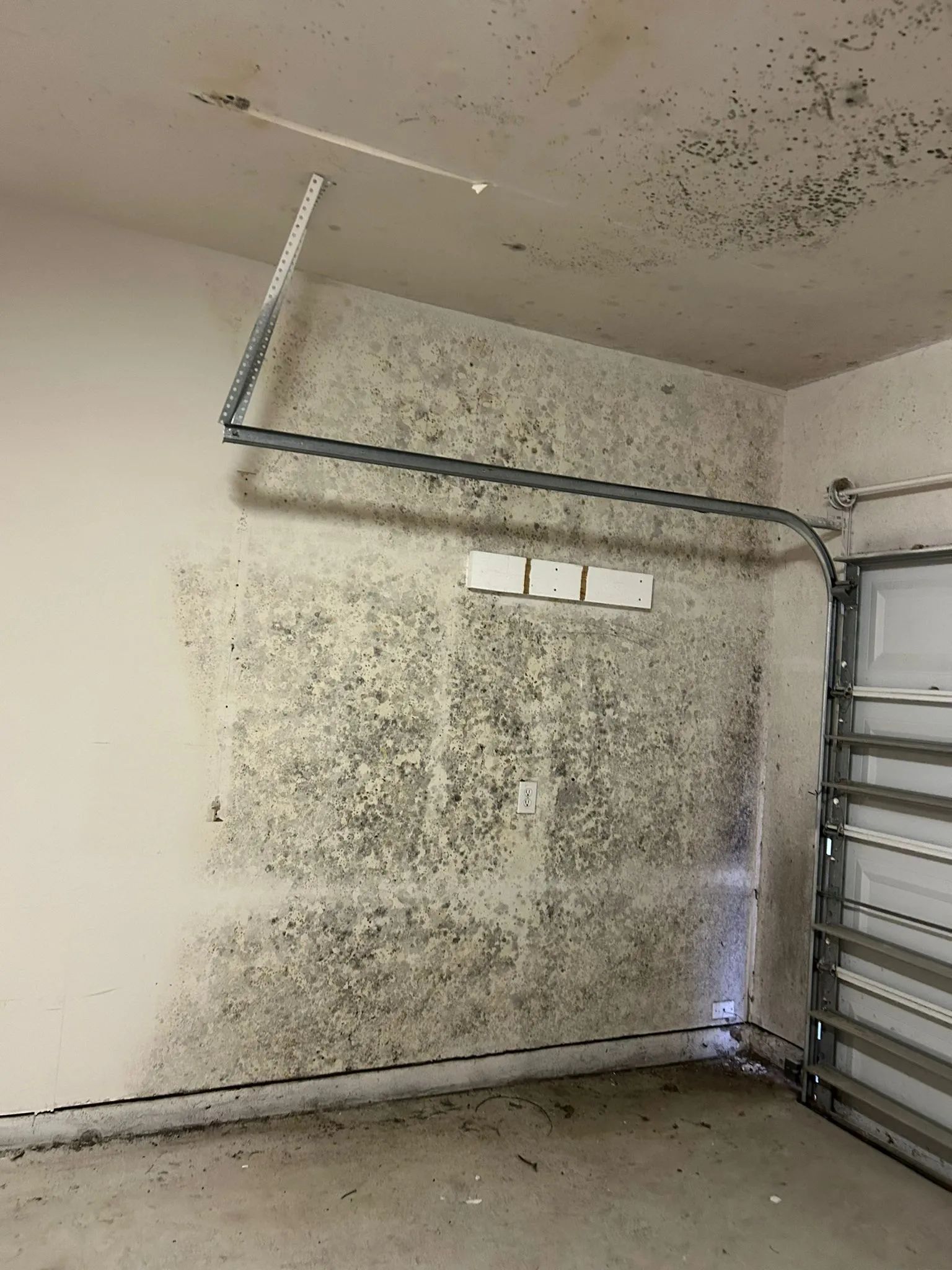
The short answer
Most homes: 1 to 5 days of active remediation work. That is the published range used across remediation timeline guides — not a quote for your house, and not the whole project.
The full calendar time is usually longer, because three things sit outside the active work: drying, clearance testing with lab results, and rebuild. A small contained job can be done in 1 to 2 days. A single room or a few wall cavities usually takes 3 to 5 days. A multi-room, attic, crawl space, or whole-house job can run 1 to 2 weeks or more before rebuild even starts.
If you need a room back by a date, plan around the full timeline, not the active-work number. The drying and clearance steps cannot be skipped to save a day — they are what prove the job is actually finished.
| Job size | Active work | Full calendar time, before rebuild |
|---|---|---|
| Small patch (under about 10 square feet) | 1 to 2 days | 2 to 4 days |
| One room or a few wall cavities | 3 to 5 days | About 1 week |
| Multi-room, attic, or crawl space | 5 to 10 working days | 1 to 2 weeks |
| Whole-house or HVAC-involved | 1 to 2 weeks or more | 2 weeks or more |
These ranges come from published remediation timeline guides. They assume the moisture source is fixed and the crew has clear access. Hidden growth inside walls, a second leak found mid-job, or a waiting plumber or roofer can push any of these out by days.
Not sure which range fits your house? Tell us where the mold is and roughly how big the area is. We will tell you honestly whether it sounds like a short job or one that needs a full assessment.
What happens, phase by phase
| Phase | Typical duration | What happens |
|---|---|---|
| Inspection and assessment | 1 to 2 hours | The affected area and the moisture source are mapped. Usually done before remediation starts. |
| Containment setup | 2 to 4 hours, day one | The work zone is sealed with plastic sheeting and negative air pressure is set up, so spores do not spread to the rest of the house. |
| Removal and cleaning | 1 to 3 days for most homes, up to 5 for larger jobs | Contaminated drywall, insulation, and carpet pad come out. Framing that stays gets cleaned and HEPA-vacuumed. |
| Drying and dehumidification | 24 to 72 hours, often running alongside or right after removal | Air movers and dehumidifiers bring materials down to target moisture levels. This step is monitored with moisture meters. |
| Clearance testing | 1 to 2 hours on site, then 24 to 48 hours for lab results | Air and surface samples are collected, ideally by an independent inspector, and sent to a certified lab. |
| Rebuild | Days to weeks, variable | Drywall, flooring, and trim go back only after clearance. This is a separate phase with its own schedule. |
Day one is mostly containment, not removal. That surprises people, but it is the step that keeps the rest of the house clean while the dirty work happens.
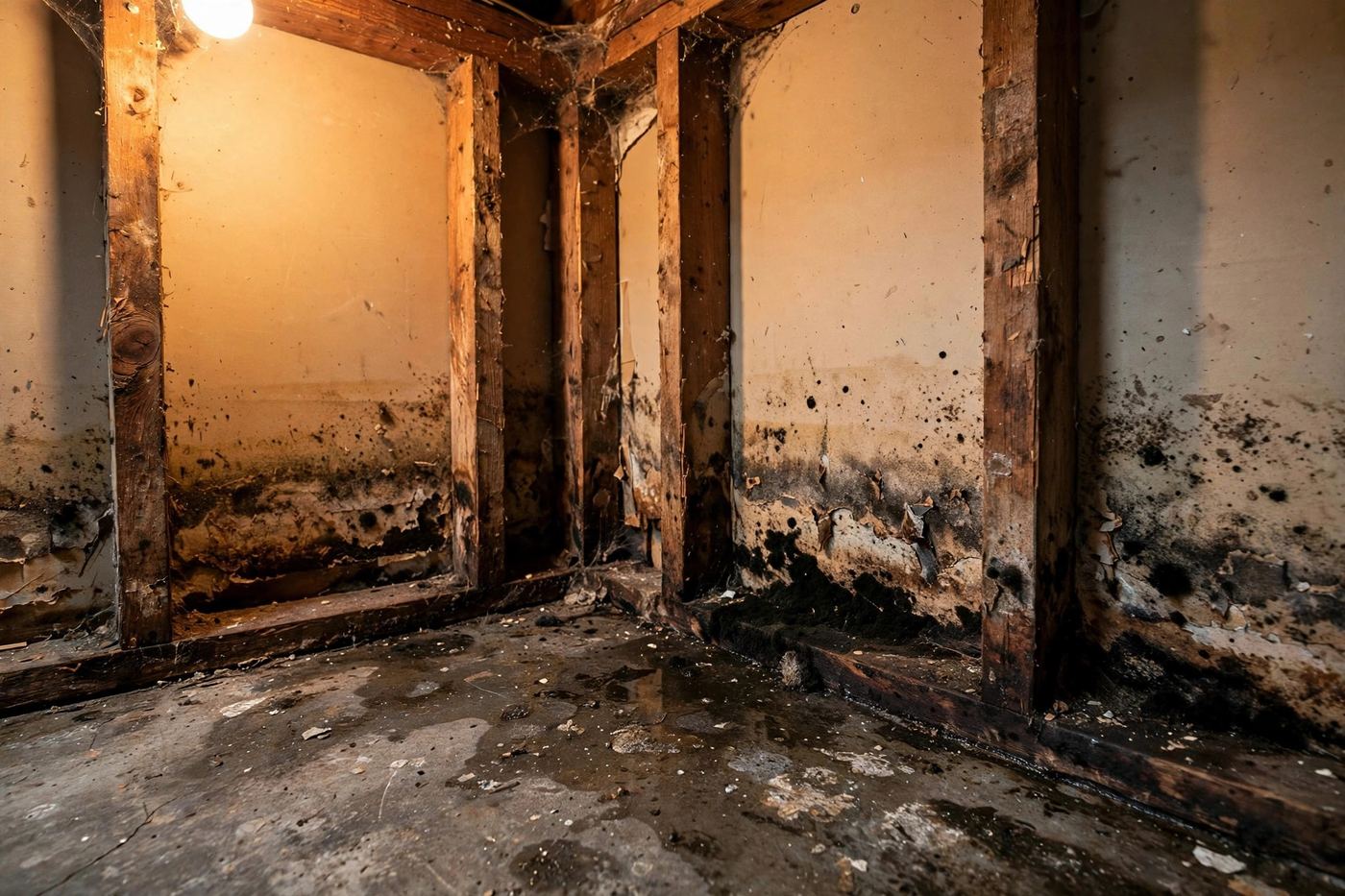
What stretches the timeline
| Factor | How it adds time |
|---|---|
| Moisture source not yet fixed | Remediation cannot hold if the leak is still active. A plumber or roofer visit can delay the start by days. |
| Hidden growth | Mold inside wall cavities or under flooring is only found once material comes out, and it widens the job. |
| Drying | Wet framing must reach target moisture before clearance. Rushing this step is how mold comes back. |
| Lab turnaround | Clearance samples typically take 24 to 48 hours at the lab, and the containment stays up until the report comes back. |
| HVAC contamination | Duct cleaning and coil treatment can add 1 to 3 days. |
| Insurance coordination | Documentation, adjuster visits, and approvals can pause the work between phases. |
| Rebuild materials | Ordering, delivery, and scheduling a rebuild crew are separate from remediation and often take the longest. |
The 24 to 48 hour rule that matters before remediation
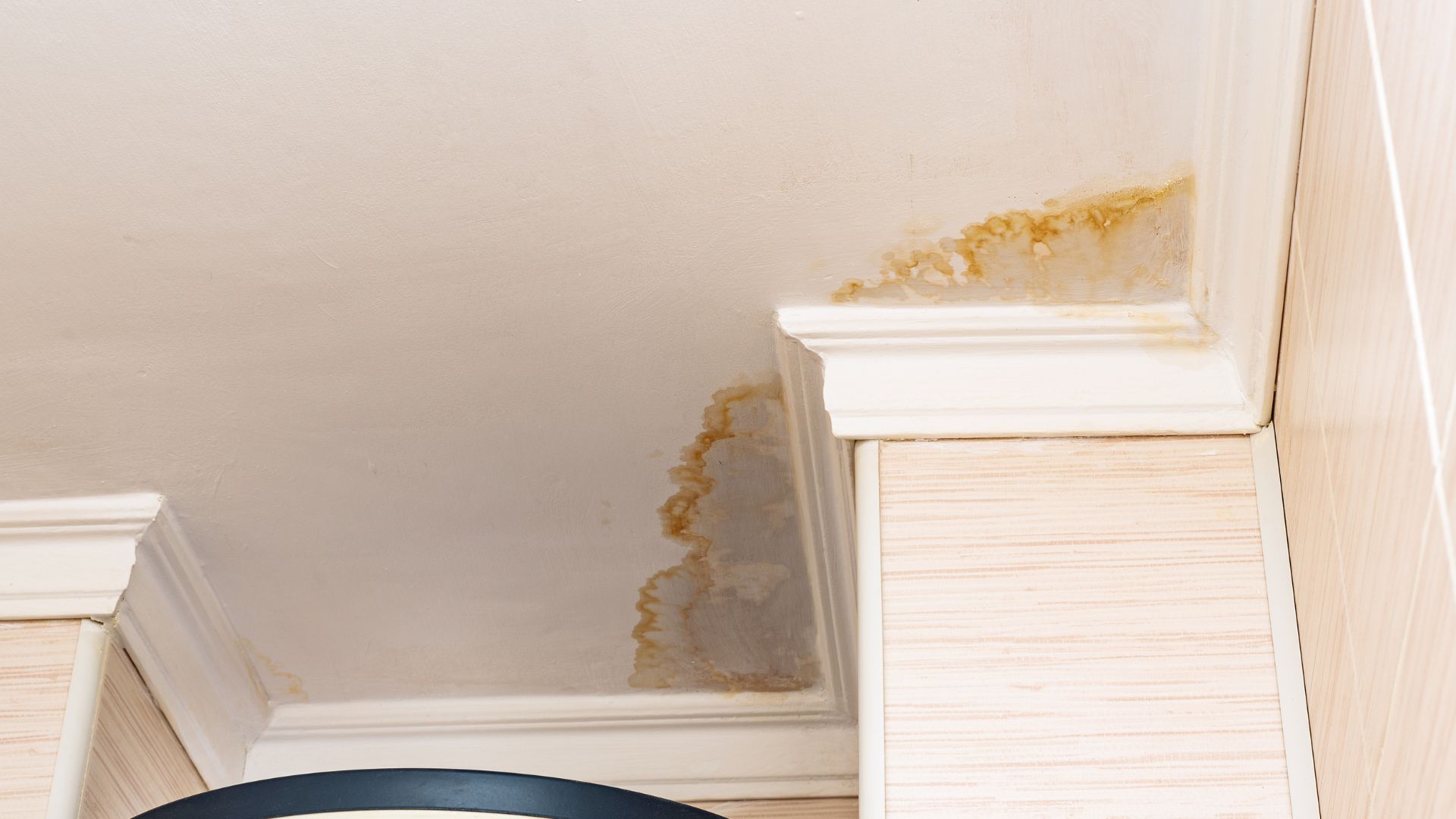
The U.S. Environmental Protection Agency (EPA) advises drying wet materials within 24 to 48 hours to help prevent mold growth. Materials that stay wet longer than that window may need remediation rather than simple cleanup.
That is why the first call after a leak matters more than the remediation schedule itself. Dry it fast and you may avoid a remediation job entirely. Wait a week and the same leak becomes a multi-day project with removal, drying, and clearance.
What about Boise specifically?
Here is the honest part, same as the cost post: there is no published Boise-only remediation timeline, and any page that gives you one is guessing. Boise jobs follow the same phase sequence and the same published ranges. Treasure Valley basements and crawl spaces can add drying time in damp seasons, and attic jobs in summer heat can slow crew work, but those are scope factors, not a separate Boise schedule. Your exact timeline comes from an assessment of your home, not from a table.
If a contractor promises a fixed day count before seeing the affected area, ask what happens if hidden growth is found or drying runs long. A timeline with no room for drying or clearance is not a real timeline.
DIY or professional?
The U.S. Environmental Protection Agency (EPA) draws a practical line at about 10 square feet. A small patch on a hard, non-porous surface can often be cleaned by a homeowner with proper protection. Anything larger, growth that keeps coming back, mold inside walls or HVAC, or anyone in the home with asthma or a weakened immune system is worth a professional assessment.
That line also maps to time: a patch under 10 square feet is often a same-day or next-day job. Once you cross into containment, removal, drying, and clearance, you are in the multi-day ranges above, and doing it without containment risks spreading spores through the house.
If you are not sure mold is even the problem, start with testing and inspection. If you already know the scope, read how a proper mold remediation job runs, step by step.
Conclusion
For most homes, plan on 1 to 5 days of active remediation, plus 24 to 72 hours of drying and 24 to 48 hours for lab clearance — so about a week of calendar time for a typical room-sized job, before rebuild. Small patches are faster, multi-room and HVAC jobs are slower, and the moisture source, drying, and lab results are the three things most likely to stretch the schedule.
Do not buy on the fastest promise. Buy on scope: containment, removal, drying to target moisture, and independent clearance, in writing. That is what makes the timeline real instead of optimistic.
If you want a real timeline for your house, tell us where the mold is, how big the area looks, and whether there is an active leak. We will tell you what the next step should be, and whether you need an assessment or just a straight answer.
Common questions
Can mold remediation be done in one day?
A very small, contained cleaning job sometimes can. A full professional remediation usually cannot, because it needs inspection, containment, removal, drying, and verification — and drying and lab results alone take 24 to 72 hours combined.
Do I have to leave my home during remediation?
Often no, for a small contained job with proper containment. Larger jobs, heavy demolition, HVAC contamination, or sensitive occupants in the home can make temporary relocation the safer choice until clearance is achieved.
Why does drying take so long after the mold is gone?
Because removal is only half the job. Wet framing must reach target moisture levels, verified with moisture meters, or the mold comes back. That drying step typically takes 24 to 72 hours and cannot be skipped to save a day.
Does the timeline include rebuilding the walls and floors?
No. Remediation ends at clean, dry, verified framing. Rebuild is a separate phase, scheduled after clearance, and it is priced and scheduled separately.
What delays a job the most?
An unfixed moisture source, hidden growth found mid-job, slow drying, and lab turnaround. Insurance coordination and rebuild material orders can also pause the project between phases.
How soon should I act after a leak?
As fast as you can. The EPA advises drying wet materials within 24 to 48 hours to help prevent mold growth. After that window, a cleanup job can become a remediation job.