Attic Mold in Boise: What Causes It and When to Call a Professional
Attic mold in a Boise home is almost always a moisture problem, not a dirt problem. The usual causes are a roof leak, a bathroom or kitchen fan venting warm moist air into the attic, poor ventilation, or warm indoor air condensing on a cold roof in winter. Fix the moisture first — cleaning the mold without fixing the moisture means it comes back.
- Four causes — and how they combine
- Six warning signs to check without climbing in
- The EPA's 10-square-foot line, applied to attics
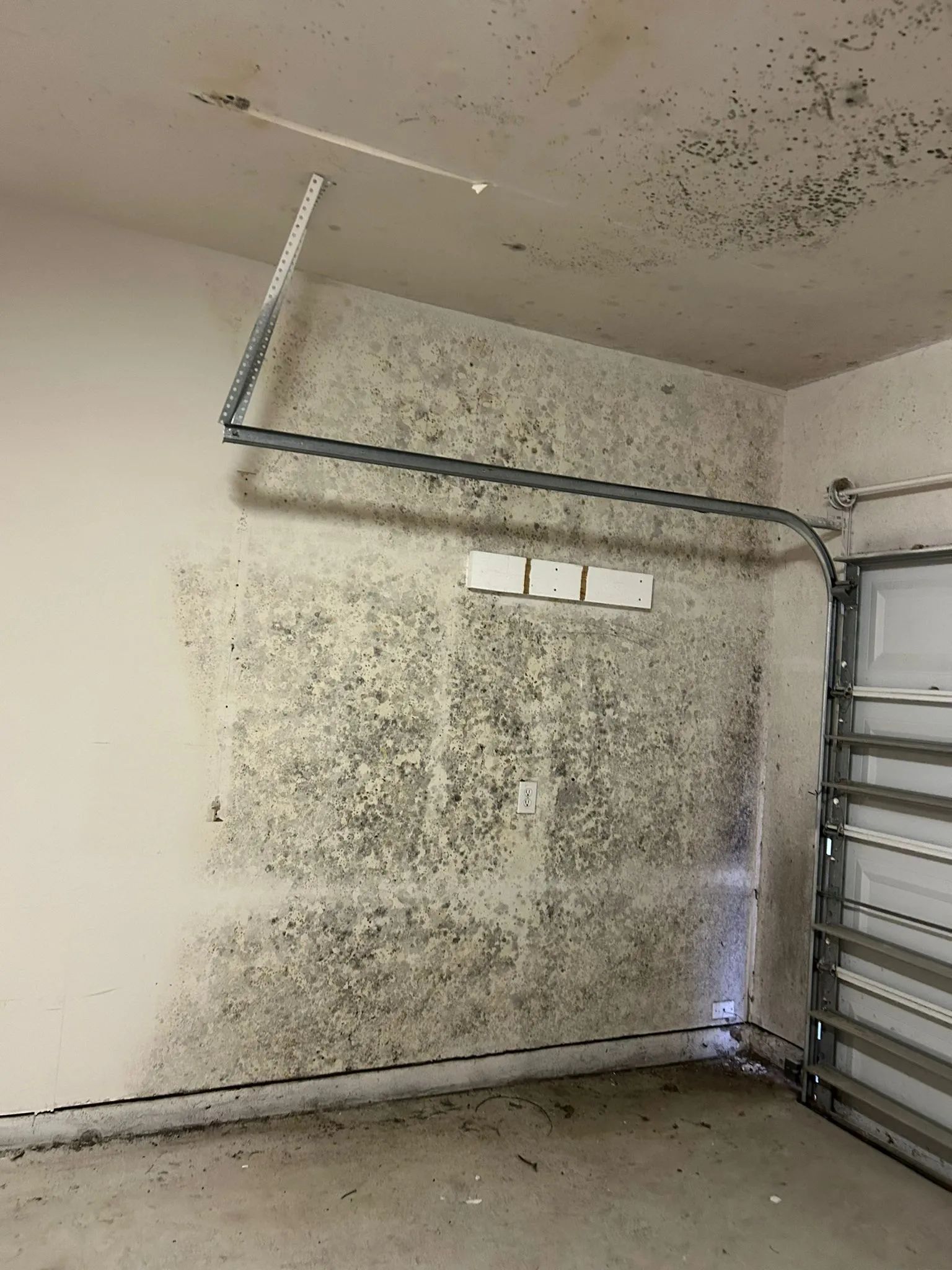
The short answer
Attic mold in a Boise home is almost always a moisture problem, not a dirt problem. The usual causes are a roof leak, a bathroom or kitchen fan venting warm moist air into the attic instead of outside, poor attic ventilation, or gaps in insulation that let warm indoor air condense on cold roof surfaces in winter. Fix the moisture first — cleaning the mold without fixing the moisture means it comes back.
Call a professional when the patch is bigger than about 10 square feet, when the mold is on insulation, drywall, or roof decking rather than a hard surface you can scrub, when you can smell it but cannot see where it is, or when it came from a roof leak or sewage. That is the EPA's own line: if the moldy area is less than about 10 square feet (less than roughly a 3 ft. by 3 ft. patch), in most cases, you can handle the job yourself — and size is only one factor among several (EPA, Mold Cleanup in Your Home).
Not sure how big the patch is or where the moisture is coming from? Call (321) 985-3339 and tell us what you are seeing — or smelling — in the attic. We will tell you honestly whether it sounds like a check first or a job for a professional.
Not sure how big the patch is or where the moisture is coming from? Tell us what you are seeing — or smelling — in the attic, and we will tell you honestly whether it sounds like a check first or a job for a professional.
Why attics grow mold in the first place
Mold needs three things: moisture, something to eat, and time. An attic supplies the last two on its own — wood framing, roof decking, and paper-faced insulation are all food for mold — so the only question is whether moisture shows up and stays. In Boise, it usually shows up in one of four ways.
A roof leak. A missing shingle, a failed flashing around a chimney or vent, or an ice dam that forces meltwater back under the shingles lets water straight into the attic. The leak can be small and slow, so the first sign is often a stain on the decking or a musty smell, not dripping water.
A bathroom or kitchen fan venting into the attic. This is one of the most common causes, and it is easy to miss because nothing looks broken. Every hot shower pushes warm, moist air up the fan duct. If that duct ends in the attic instead of going through the roof or a gable wall, all that moisture dumps into a cold space, where it condenses on the underside of the roof.
Poor ventilation. An attic needs air moving through it — in through the soffits, out through the ridge or gable vents. When vents are blocked by insulation, painted shut, or simply too few for the roof size, moist air sits still and condenses on the coldest surfaces.
Warm air leaking up from the house. In winter, warm air from the living space rises through gaps around light fixtures, attic hatches, and plumbing runs. When it hits the cold roof deck, it condenses, the same way a cold glass sweats in summer. Boise winters make this worse: the bigger the gap between warm inside air and a cold roof, the more condensation forms.
Any one of these can start mold. Two of them together — a venting fan plus blocked soffits, for example — can grow a large patch in a single season without anyone noticing, because almost nobody goes into the attic in winter.
Warning signs you can check without climbing in
You do not need to crawl through the attic to suspect a problem. These are the signs worth acting on:
| Sign | What it usually means |
|---|---|
| A musty smell in the upstairs rooms or near the attic hatch | Hidden mold in the attic, or moisture feeding it |
| Dark stains or streaks on the underside of the roof decking | Past or ongoing water entry or condensation |
| Frost or water droplets on nails and decking in winter | Warm moist air condensing on cold surfaces |
| Damp or compressed insulation | Water getting in, or chronic condensation |
| A bathroom fan that runs but the mirror still fogs badly | The fan may be venting into the attic, not outside |
| Stains on the ceiling below the attic | Water has travelled through the insulation to the living space |
One sign on its own is a reason to look, not a reason to panic. Two or more together mean the attic deserves a proper inspection before the next wet season.
What attic mold can do to a home
Attic mold is not just a cosmetic problem. Left alone, it can:
- Damage the structure. Mold feeds on wood and paper-faced materials, so a long-running patch can weaken roof decking and framing over time.
- Ruin insulation. Wet insulation loses its insulating value and stays damp, which keeps the cycle going.
- Spread spores into the living space. Attic air leaks down through light fixtures, hatches, and gaps, carrying spores into bedrooms below.
- Hide a bigger water problem. Mold on the decking is often the visible part of a roof leak that is also rotting the sheathing underneath.
Health effects depend on the person. The CDC notes that mold exposure can cause health effects in people who are sensitive to it, and that the key step is fixing the moisture problem and cleaning up the mold. This post makes no claim about any specific illness or about how likely any one person is to be affected.
DIY vs professional: where the line is
The same rule from the EPA that applies to any room applies in the attic, with one extra factor — access. A small, reachable patch on a hard surface is a different job from a patch spread across insulation and the back of the decking.
| Situation | DIY or pro? |
|---|---|
| Patch smaller than about 10 square feet, on a hard surface you can reach and scrub, moisture source found and fixed | Usually DIY, following the EPA cleanup guidance |
| Patch bigger than about 10 square feet | Professional |
| Mold on insulation, drywall, or roof decking | Professional — these materials usually need removal, not scrubbing |
| You can smell it but cannot find it | Professional inspection first |
| Caused by a roof leak | Professional — the roof repair and the mold are one job |
| Came back after you already cleaned it | Professional — the moisture source was not fixed |
| Anyone in the house has asthma, allergies, or a weakened immune system | Professional — the EPA lists this as a reason to call one in |
Practical attic warning: attics are hot in summer, cold in winter, and easy to fall through. Never step on anything except the joists, never put weight on the ceiling drywall below, and do not go up there alone if you are unsure of the footing. If the patch is hard to reach safely, that alone is a reason to call a professional.
How a professional attic job usually goes
So you know what to expect if you do call one in:
- Inspection. The pro finds the patch, measures it, and — more importantly — finds where the moisture is coming from: roof, venting, ventilation, or air leaks.
- Containment. The work area is sealed off so spores do not drift into the living space while the mold is disturbed.
- Removal. Contaminated insulation and damaged materials are bagged and removed. Hard surfaces are cleaned. Scrubbing alone does not fix materials that mold has grown into.
- Moisture fix. The leak is repaired, the fan duct is routed outside, vents are cleared, or air leaks are sealed — whichever caused it. Without this step, the mold returns.
- Drying and verification. The area is dried — the EPA's rule of thumb is to dry wet materials within 24 to 48 hours to prevent mold growth — and checked before the job is called done.
A note on price, because attic jobs vary more than most: there is no published Boise-only price for attic mold work, and this post will not invent one. As a general reference, our own cost guide puts a typical mold remediation job at $1,200–$3,750 (see How much does mold remediation cost in Boise). An attic job sits inside that kind of range when the patch is small and the roof is sound, and outside it when insulation has to come out or the roof needs repair. The inspection is what turns a range into a real number for your house.
Conclusion
Attic mold is a moisture problem with a mold symptom. A roof leak, a fan venting into the attic, blocked ventilation, or warm air condensing on a cold roof deck will grow mold quietly for months, and cleaning the patch without fixing the cause only buys time until it comes back. Check the warning signs — musty smell upstairs, stains on the decking, frost on nails in winter, damp insulation — and use the EPA's 10-square-foot line to decide whether it is a DIY cleanup or a professional job. When the patch is big, hidden, on insulation, or tied to a roof leak, call a professional, and make sure the moisture fix is part of the job, not an afterthought.
If the patch is big, hidden, or tied to a roof leak — or you just are not sure where the moisture is coming from — call (321) 985-3339. Tell us what you are seeing — or smelling — in the attic, and we will tell you honestly whether it sounds like a check first or a job for a professional.
Common questions
How do I know if I have mold in my attic?
Look for a musty smell in the upstairs rooms, dark stains on the underside of the roof decking, frost or water droplets on nails in winter, and damp or compressed insulation. If you can smell it but cannot see it, an inspection is the next step — the patch may be behind insulation or on the far side of the roof.
Is attic mold dangerous?
Mold in the attic can damage roof decking and insulation over time, and spores can drift into the living space through gaps around lights and hatches. The CDC notes that mold exposure can affect people who are sensitive to it. The practical answer is the same either way: fix the moisture, clean up the mold, and do not let it keep growing.
Can I clean attic mold myself?
If the patch is smaller than about 10 square feet, on a hard surface you can reach and scrub, and you have found and fixed the moisture source, the EPA says you can usually handle it yourself. Bigger patches, mold on insulation or decking, a roof leak behind it, or anyone in the house with asthma, allergies, or a weakened immune system all point to a professional.
Why does attic mold keep coming back?
Because the moisture source was not fixed. Cleaning removes the visible mold; a leaking roof, a bathroom fan venting into the attic, or blocked ventilation puts the moisture straight back. A job is only finished when the cause is fixed and the area is dry.
Does homeowners insurance cover attic mold?
It depends on the cause. Insurance generally covers mold that follows a sudden covered event, like a storm-damaged roof, and generally does not cover mold from long-term leaks or poor maintenance. Our full Idaho insurance guide is scheduled for November 16, as promised in our water-damage cost guide.
Should I replace insulation that has mold on it?
Usually, yes. Mold grows into porous materials like insulation, so scrubbing does not clean it the way it cleans a hard surface. A professional will bag and remove contaminated insulation, fix the moisture source, and replace it once the area is dry.